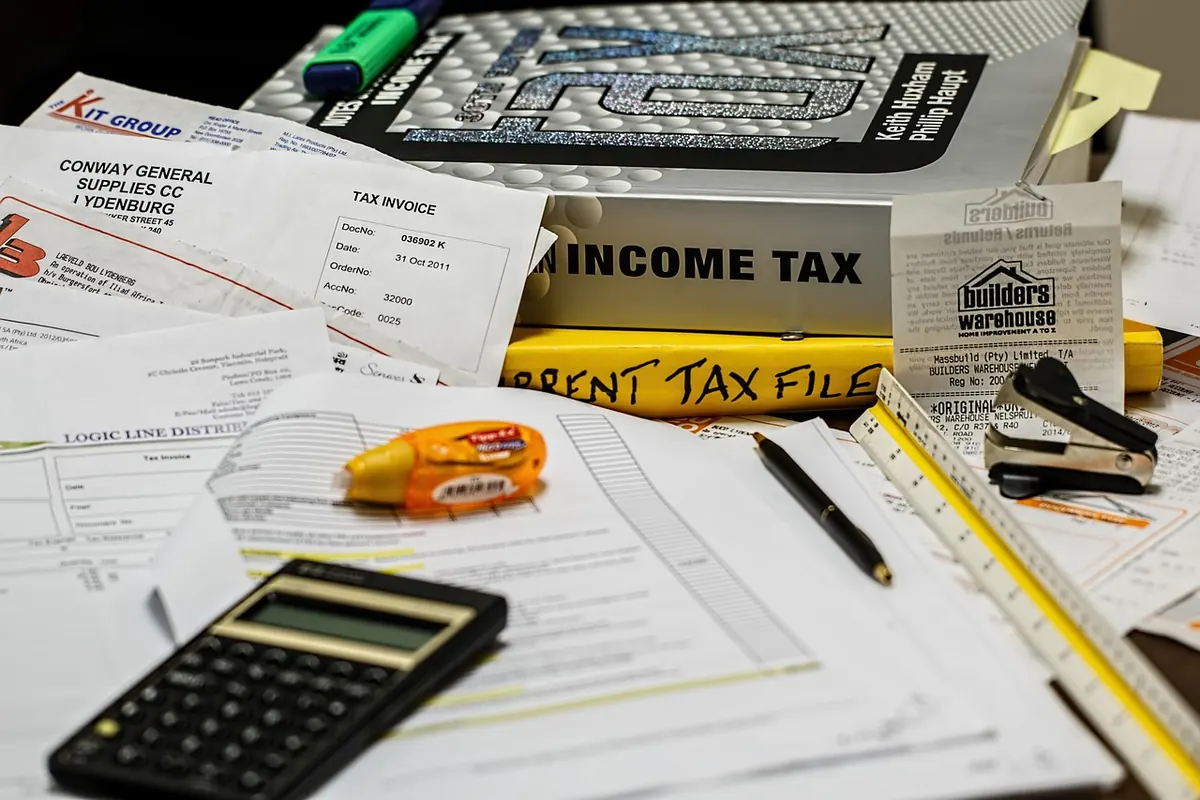
10 Desk Organisation Mistakes You're Probably Making
A tidy desk and a working desk are not the same thing. You can spend twenty minutes stacking paper into neat rectangles and still lose ten minutes every morning hunting for a charger, a stamp or the notebook you were sure was right there.
Most clutter isn't really about mess. It's a set of small decisions you keep postponing, and the postponements collect in the same three places: the desktop, the top drawer and the space behind the monitor. Here are ten mistakes that keep desks stuck, along with fixes you can manage in a spare ten minutes rather than a whole weekend.
Mistakes on the surface
1. Treating the desktop as a shelf
Anything without a home ends up on the desk: unopened post, headphones, a mug, a paperback you're halfway through. It feels harmless one item at a time, and then you have nowhere to put a cup of tea down.
Give the surface a rule. It holds what you're using right now, plus the handful of things you genuinely touch every day — laptop, lamp, pen, notebook. Pick up each item in turn and ask whether you used it today. If not, it goes in its place, into a small "to sort" box, or in the bin.
2. Decorating before you've solved the function
A plant, a candle and a framed print look lovely in photographs. On a desk that's already crowded, they become obstacles you shuffle around to reach the keyboard.
Work out the layout first: where the screen sits so you aren't twisting your neck, where your hand naturally lands for paper, where a drink is safe from the electronics. Then place one or two decorative pieces in the gaps that are left. A single object in breathing space reads as calm; five reads as clutter.
Storage, bought in the wrong order
3. Buying organisers before you've sorted anything
Matching trays, a smart pen pot, drawer dividers — bought first, filled afterwards. The storage ends up dictating what you keep, which is backwards.
Empty the desk and drawers onto the floor. Sort into rough groups: writing, charging, filing, fixing, personal. Only then look at what's left and decide what actually needs a container. Count the pens while you're there; most people need one pot, not three.
4. The drawer of mystery
Every desk has one: dead batteries, a key for a lock you no longer own, cables for phones from three handsets ago, takeaway menus.
Empty it completely and handle each item once. Keep it, move it somewhere sensible, bin it, or put it in a "decide by" box with a date written on it. If you haven't needed something in a year and it's cheap to replace, it can go.
Documents are the exception. Keep anything to do with tax, warranties or contracts, and if you're unsure whether a piece of paper still matters legally or financially, check with an accountant or solicitor rather than guessing.
Paper, piles and good intentions
5. The pile that pretends to be a filing system
A stack in the corner isn't an archive; it's a delay. Worse, it hides the one thing you actually need.
Give every sheet one of three destinations:
- Act — it needs something from you this week.
- File — reference only, into a labelled folder.
- Bin or shred — anything you'll never look at again.
Two A4 trays and a few folders beat an elegant box file you never open.
6. A "deal with it later" tray with no deadline
A holding tray is fine. A holding tray that is never emptied is just a slower pile.
Attach it to a time. Friday at four, say, for fifteen minutes. If the same items are still sitting there after three weeks, you aren't deferring them — you're storing them. Deal with them or bin them.
Cables, pens and the small stuff
7. Letting the cables become a nest
The tangle behind the desk is the last thing anyone wants to deal with, which is exactly why it grows.
Unplug everything, then reconnect one cable at a time. Label both ends with a small sticker or a wrap of masking tape. Use reusable hook-and-loop ties rather than elastic bands, which perish and snap. Run the cables along the back edge with adhesive clips so they stay out of the way. Anything you can't identify gets unplugged and tested later — not left in the knot "just in case".
8. Keeping dead pens and duplicate notebooks
Seven pens, four of which don't write. Six half-used pads, none of which you'd choose to start something new in.
Test every pen on a scrap of paper and bin the failures. Keep two you like. For notebooks, either use the part-used ones or recycle them — holding on to them doesn't make them useful.
Habits that let the mess come back
9. Tidying only when it becomes unbearable
The big clear-up feels wonderful and lasts about a fortnight, because nothing in the routine has changed.
Try a two-minute reset at the end of the working day: mug back to the kitchen, pens in the pot, notebook closed, loose paper into the tray. Tomorrow starts from zero rather than from yesterday's debris.
10. No home for things in transit
Parcels to post, a library book to return, a receipt for expenses, the jumper you took off at lunchtime. Items in transit are the hardest to place, so they land on the desk.
Give them one explicit spot — a shallow box on the shelf, a hook by the door — and empty it once a week. Without a designated place, the desk becomes the waiting room.
A five-minute weekly check
Set a recurring reminder, pick a time when you're usually at your desk, and work through this list. It takes less time than finding a missing receipt.
- Empty the temporary box. Post the parcel, file the receipt, return the book.
- Clear the document tray. Act on anything that needs action this week; file the rest.
- Wipe the surface. A clean desk makes the next mess more obvious, and easier to stop.
- Check the pen pot and the drawer. Bin anything that no longer works or fits.
- Look behind the monitor. Re-tie any cable that has started to drift, and remove anything new that has crept in.
None of this requires a new filing system or a spend. Ten minutes of decisions, repeated often enough, is what keeps a desk working — and keeps you from digging through it every morning.
Photo: stevepb / Pixabay